
TUBERCULOSIS (TB)
What is Tuberculosis or (TB)?
Tuberculosis (TB) is caused by a bacterium (or germ) called Mycobacterium tuberculosis.
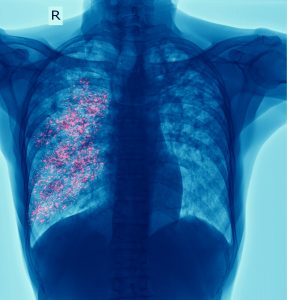
TB typically affects the lungs but can also impact other parts of the body, such as the brain, kidneys, or spine. TB can also affect multiple parts of the body at the same time. For example, TB can affect both the lungs and lymph nodes.
Not everyone infected with TB germs becomes sick. As a result, two TB-related conditions exist: inactive TB (or latent TB infection) and active TB disease.
If not treated properly, TB disease can be fatal.
5 Things to Know About TB
What are the symptoms of TB?
- A cough that lasts three weeks or longer
- Chest pain
- Coughing up blood or sputum (phlegm from deep inside the lungs)
- Weakness or fatigue
- Weight loss
- Loss of appetite
- Chills
- Fever
- Night sweats
People with inactive TB do not have symptoms. However, without treatment, they can develop active TB disease and become sick.
Risk Factors
Close contact with Active TB Cases
- Living in the same household, workplace, or other close settings with someone who has active TB
Weakened Immune System
- HIV infection (strongest risk factor for progression from latent TB to active disease)
- Diabetes
- Cancer treatment, chemotherapy, or immunosuppressive therapy (e.g. corticosteroid, TNF-alpha inhibitors)
- Malnutrition
Living or Working in High-Risk Settings
- Homeless shelters
- Correctional facilities (jails, prisons)
- Long-term care facilities
- Healthcare settings with frequent TB exposure
Geographic & Demographic Factors
- Being born in, or frequently traveling to, regions with higher TB prevalence (parts of Africa, Asiaa, Eastern Europpe, Latin America)
- Certain racial/ethnic groups in the U.S. experience higher rates due to social determinants of health and structural inequities
Substance Use
- Tobacco use
- Excessive alcohol use
- Injection drug use
Age
- Young children (especially under 5 years old) and older adults are at higher risk of progression if infected,
Socioeconomic Conditions
- Poverty, crowded housing, and limited access to healthcare increase both exposure and likelihood of untreated infection
Facebook
X
LinkedIn
- Published:
- Updated: October 8, 2025
Links and Resources